Départements
Pour assurer un maximum d’efficacité opérationnelle, le travail d’AKADEMIYA2063 est structuré autour de cinq départements : (1) Veille et Analyse décisionnelle, (2) Systèmes de Connaissance, (3) Intelligence et Gouvernance des Données, (4) Communication et Sensibilisation, et (5) Finance et Administration. Le bon fonctionnement de chaque département est assuré par un directeur qui supervise la mise en œuvre de la mission d’AKADEMIYA2063 au sein de son département.
Départment Veille et Analyse décisionnelle
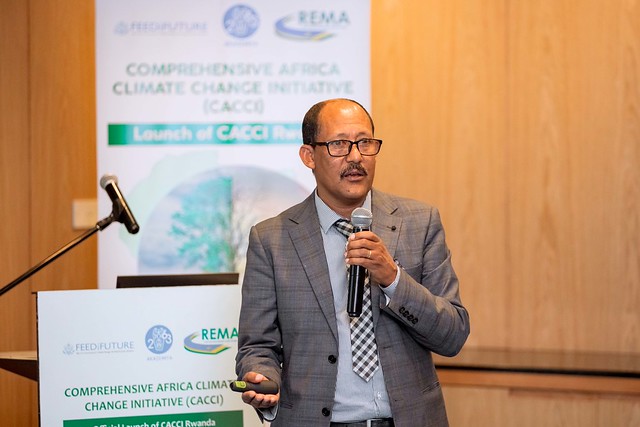
Le Département de Veille et d’Analyse Décisionnelle (DPI) assure la modélisation des politiques, ainsi que les activités d’évaluation et d’innovation, en soutien à la mise en œuvre de l’Agenda 2063 et d’autres initiatives de développement aux niveaux continental, régional et national. Il favorise la collaboration avec les parties prenantes internes et externes afin de garantir l’intégration de perspectives variées dans les décisions politiques.
Les objectifs du DPI sont de mener des recherches appliquées approfondies sur les politiques de développement actuelles et alternatives dans les pays africains afin d’identifier les lacunes et d’orienter les améliorations ; de développer et d’utiliser des outils avancés pour l’analyse des politiques économiques et la prospective afin de guider les agendas de développement ; de stimuler l’innovation en anticipant les défis et opportunités émergents et en promouvant des solutions prospectives et évolutives ; et d’appuyer les agences de l’Union africaine, les gouvernements, les acteurs non étatiques et les partenaires dans le suivi de la mise en œuvre, de l’efficacité, de l’efficience et de l’impact des efforts de développement.
Le Département comprend trois unités : l’Unité de Modélisation des Politiques, l’Unité d’Innovation en matière de Politiques et l’Unité d’Évaluation des Politiques.
Département des Systèmes de Connaissance

Le Département des Systèmes de Connaissances (DKS) facilite le développement de systèmes de connaissances robustes, inclusifs et efficaces, afin de produire des données localement pertinentes et de mieux relier l’offre et la demande de données probantes. En renforçant ces systèmes, le DKS veille à ce que l’expertise africaine soit pleinement mobilisée pour relever les défis du continent et soutenir ses ambitions de développement. Il se positionne comme un pôle continental pour les données, les analyses et les outils appuyant le benchmarking, l’apprentissage mutuel et l’élaboration de politiques fondées sur les preuves dans les domaines du développement agricole et de la transformation économique.
Ce département a pour objectif de soutenir le suivi‑évaluation du PDDAA, de renforcer les processus de redevabilité mutuelle, de fournir des éléments probants pour l’élaboration des Plans Nationaux d’Investissement Agricole (PNIA) et de développer les capacités nationales à travers les plateformes des Systèmes Nationaux d’Analyse Stratégique et de Gestion des Connaissances (SAKSS). Le DKS s’appuie également sur les technologies numériques pour améliorer l’accessibilité des données et le suivi‑évaluation, en maintenant des plateformes interactives pour la gestion et l’analyse des données aux niveaux national et infranational, ainsi qu’en déployant des outils tels que les plateformes en ligne de la Revue Biennale et les eAtlases du ReSAKSS, afin d’améliorer leur fonctionnement, leur utilisation et leur visibilité.
Le Département est composé de deux unités : l’Unité ReSAKSS et l’Unité AGRODEP.
Département d’Intelligence et de Gouvernance des Données
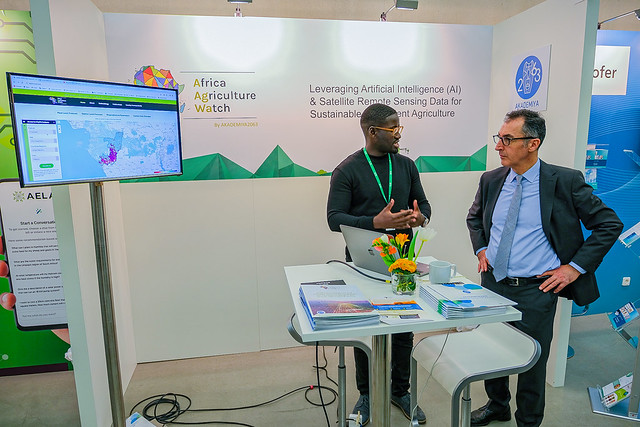
Le Département d’Intelligence et de Gouvernance des Données (DIG) dirige les efforts visant à positionner AKADEMIYA2063 comme un acteur clé de la création et de la gestion des données, ainsi que du développement de plateformes de visualisation et d’analyse soutenant la prise de décision fondée sur les preuves en Afrique. Dans le cadre de la mission d’AKADEMIYA2063, il favorise l’utilisation de technologies numériques et de solutions innovantes pour contourner les obstacles institutionnels et infrastructuraux liés à l’accès et à l’échange des données. Le DIG collabore avec les ministères, les instituts nationaux de statistique et les institutions de recherche afin de promouvoir l’adoption de plateformes pertinentes et de renforcer les capacités.
Ses objectifs sont d’élargir et de pérenniser l’impact d’AKADEMIYA2063 au sein de l’écosystème numérique africain en facilitant la génération de données et la création de plateformes, en fournissant des services TIC, en promouvant l’adoption de technologies émergentes en adéquation avec la mission de l’organisation, et en construisant, en maintenant et en modernisant l’infrastructure des systèmes d’information.
Le Département comprend trois unités : l’Unité d’Innovation et de Modélisation en IA, l’Unité de Science des Données et de Mise à l’Échelle, et l’Unité des Systèmes d’Information.
Département de Communication et de Sensibilisation
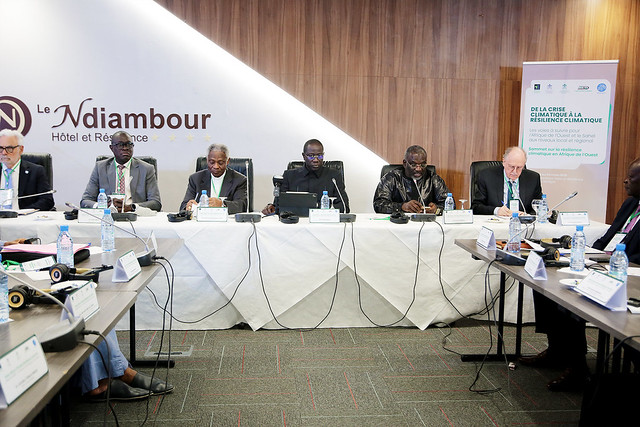
Le Département de Communication et de Sensibilisation (DCO) est chargé de promouvoir la mission de l’organisation, de renforcer la visibilité de ses activités et de communiquer son impact auprès d’un large éventail de parties prenantes. Ses initiatives positionnent l’organisation comme un partenaire de référence dans le paysage des politiques africaines et dans le secteur international du développement, tout en facilitant la diffusion des interventions auprès des décideurs continentaux, des CER/REC, des gouvernements, des partenaires au développement, de la société civile, du secteur privé et des médias.
Le DCO œuvre à accroître la visibilité de l’organisation et la reconnaissance de sa mission en diffusant ses produits de connaissance, en valorisant ses services de renforcement des capacités et d’appui technique, en facilitant l’accès aux publications, aux initiatives et aux événements, et en promouvant son expertise, ses programmes phares et son engagement envers l’Agenda 2063. Sa stratégie s’articule autour de sept domaines prioritaires : l’identité de marque, le développement de contenu, les communications internes et externes, l’engagement médiatique, la sensibilisation, les publications et les réseaux sociaux.
Stratégies et Programmes : Bureau Exécutif

Assurer un impact organisationnel durable dans un environnement politique et partenarial de plus en plus complexe exige une agilité stratégique, une cohérence institutionnelle et un leadership tourné vers l'avenir. Ce défi est d'autant plus prononcé qu'il s'agit de naviguer dans un contexte d'évolution constante des priorités des parties prenantes, d'anticiper les tendances émergentes et d'équilibrer les exigences opérationnelles immédiates avec les objectifs stratégiques à long terme.
Rattachée au bureau exécutif, la fonction Stratégies et Programmes joue un rôle central et transversal dans l'orientation de la cohérence organisationnelle, le renforcement de la coordination stratégique et l'appui à la croissance institutionnelle durable. Elle veille à ce que les programmes, projets, partenariats et activités de sensibilisation soient pleinement alignés sur la mission, la vision et les priorités stratégiques d'AKADEMIYA2063.
Cette fonction appuie également le Directeur général dans la supervision des processus de planification stratégique de l'organisation, contribuant à la formulation, à la communication et à l'opérationnalisation des objectifs institutionnels à long terme. Ce faisant, elle favorise la cohérence entre les initiatives, soutient la mise en œuvre efficace du plan d'affaires et promeut des approches innovantes pour renforcer l'impact et l'efficacité organisationnels.
Dans le cadre de ce réalignement institutionnel, le portefeuille des relations avec les bailleurs de fonds et partenaires, anciennement géré par les Relations extérieures, a été intégré au Bureau exécutif sous la fonction Stratégies et Programmes, renforçant ainsi l'engagement stratégique, la coordination institutionnelle et l'alignement sur les priorités à long terme d'AKADEMIYA2063.
Département des Finances et de l'Administration
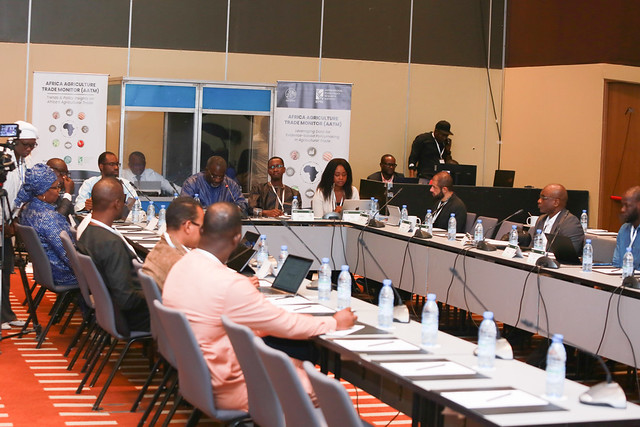
Le Département des Finances et de l’Administration (DFA) gère les ressources financières d’AKADEMIYA2063 et supervise les fonctions administratives telles que la budgétisation, la comptabilité, la paie, la gestion des actifs, les achats et l’ensemble des opérations, tout en assurant la conformité réglementaire. Il soutient la mise en œuvre des activités de l’organisation en gérant la liquidité, en garantissant le respect des exigences des bailleurs et en analysant les tendances afin d’éclairer la prise de décision. Les activités clés du DFA incluent la gestion financière, les fonctions administratives (achats, paie, conformité, gestion des installations), ainsi que la planification stratégique pour appuyer les processus décisionnels.